



Kids Love Our Therapy Dogs!
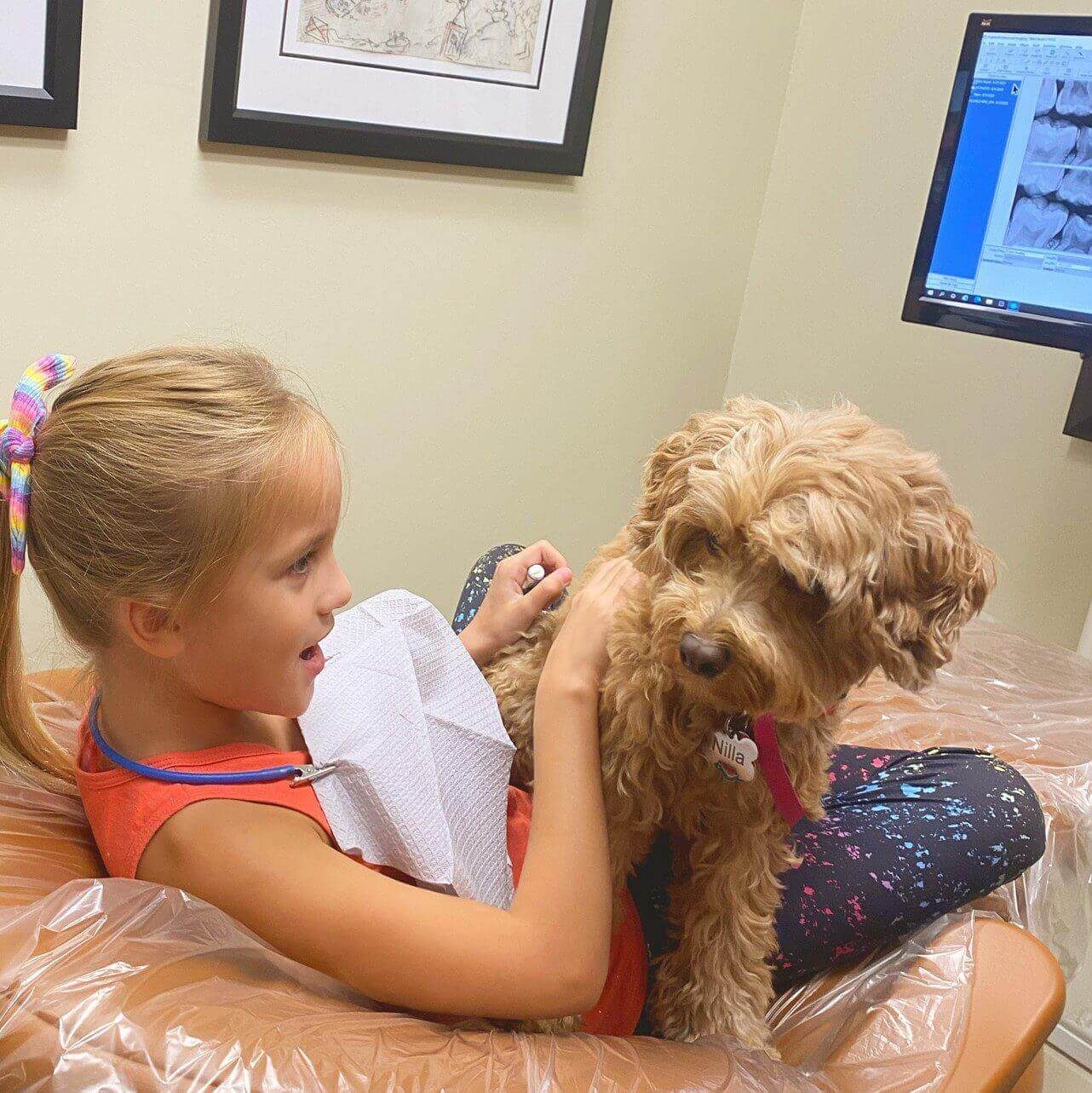
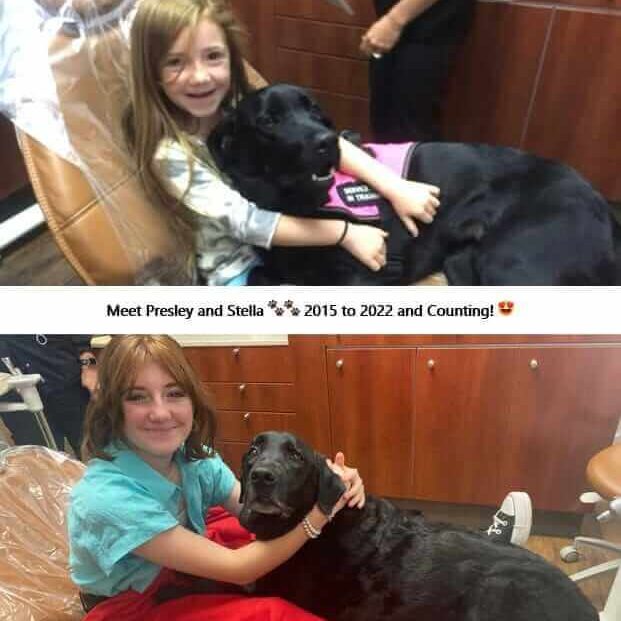
When residents of Riverside County search for “best children’s dentistry near me,” Lakefront Family Dentistry is the ideal choice. Dr. Mark Phillipe, Dr. Derek Hauser, and their experienced dental staff have created a comfortable, family-friendly environment—making them the best dentist for kids in Lake Elsinore, CA. After all, how many kid’s dentists have a trained therapy dog to help ease their patients' nerves?
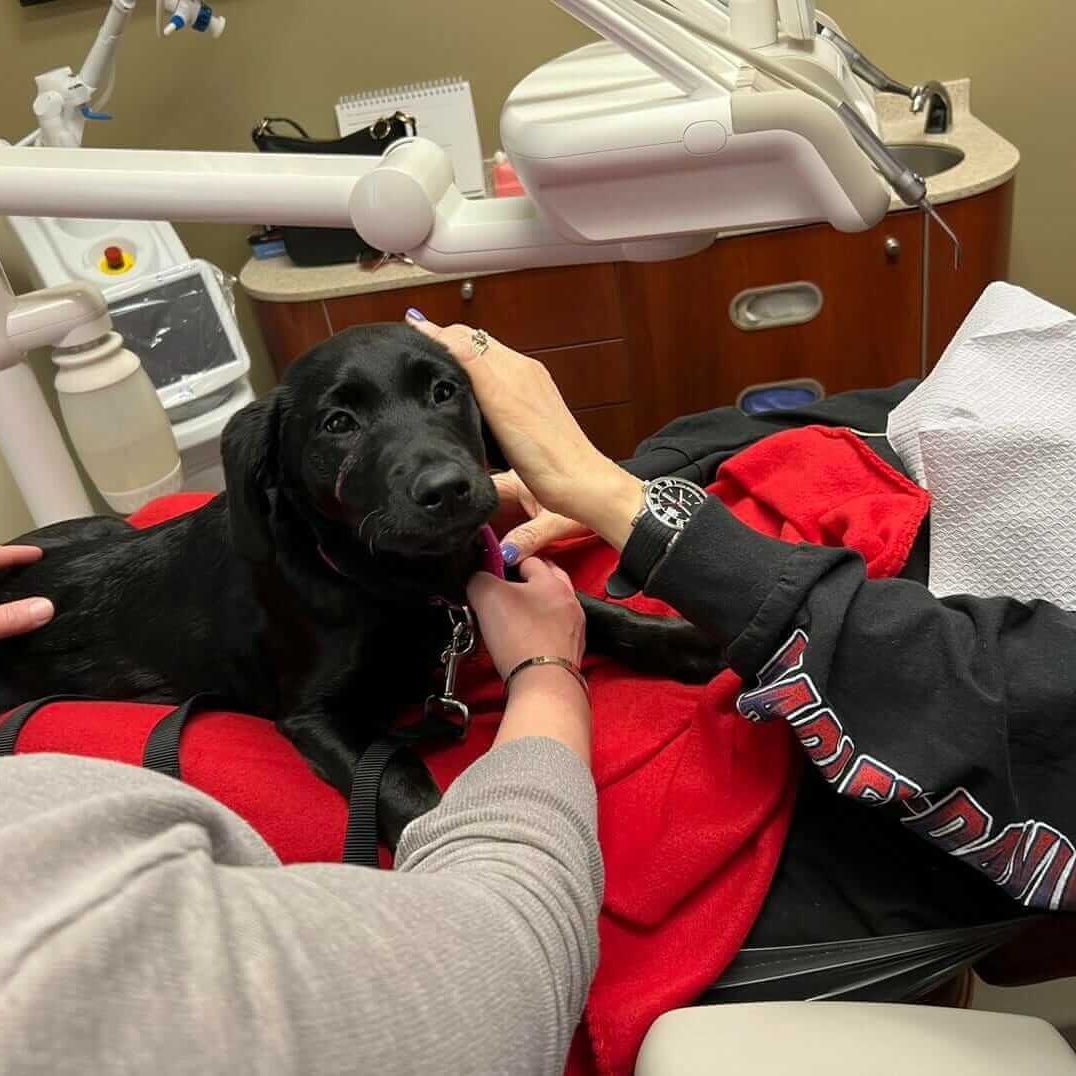
Our gorgeous, gentle, kind therapy dogs help children as well as adults who have dental anxiety during their appointments. Just let us know you would like to make sure and have one of our dogs there when scheduling your appointment.
Pediatric Dentistry
When choosing a children’s dentist, there are a few factors to consider, including when they should first visit the dentist and what types of treatment to expect. We will answer those questions and explain why choosing a family dentist who can serve all members of the family, regardless of their age, is the best choice and provides continuity of care as children grow up.


First Time Dental Visit
The American Academy of Pediatric Dentistry and the American Dental Association recommend bringing children to a dentist within 6 months of their first tooth erupting or by 12 months of age.
What to Expect
During your first visit to the dentist, Dr. Derek Hauser and Dr. Mark Phillipe will discuss topics with parents such as baby bottle tooth decay, mouth cleaning, teething, and habits like finger sucking and pacifiers.
This first visit is also an opportunity for children to become comfortable with a kid’s dentist office. If appropriate, a gentle cleaning may be performed.

Initial Evaluation
Our dentists will evaluate and monitor the growth and development of a child’s teeth, jaws, bite, gums, as well as any developing oral issues caused by using a bottle, sucking a thumb, or using a pacifier.
By seeing a children’s dentist early on, any developmental issues or bad habits can be corrected before issues become more severe.
New Child Dental Exam
As children get older, visits to the dentist will involve full-fledged dental exams, which may include x-rays, applying sealants, repairing cavities, and looking for any early signs of how the teeth are fitting together.
Sealants are thin, protective coatings that protect permanent molars and back teeth, which are susceptible to decay since they are located in hard-to-reach areas. Although a kid’s dentist will model and demonstrate proper brushing and flossing techniques during exams, even the best children’s dentist knows that these teeth won’t always be brushed properly.

Children's Teeth Cleaning
After the first visit, it is recommended that children come in for regular cleanings every 6 months. Although proper brushing and flossing are the first line of defense against cavities, regular dental cleanings allow Dr. Phillipe and Dr. Hauser to identify any problems before they get too serious.
A typical dental cleaning for kids will involve reviewing any new developments, taking x-rays, removing plaque and build-up, and flossing. The dental hygienist will also review proper brushing and flossing techniques. The kid’s dentist will then review the x-rays for cavities and other potential problem areas and will examine the child’s teeth and gums.
Kid's Cavities
Even with care provided by the best children’s dentist, some children will develop cavities because of improper or infrequent brushing. For this reason, parents should brush or supervise a child’s tooth brushing until they are at least 6 years old.
Cavities happen when dental plaque eats at tooth enamel and causes a hole. Plaque is a sticky substance that covers teeth. It forms when bacteria in the mouth combine with food, acid, and saliva.
Although proper brushing and flossing can prevent or decrease plaque, sweet, sugary, and starchy foods can also play a role in the formation of cavities. In addition, some people are genetically predisposed to cavities.


Tooth Filling
If a child has a cavity, a dental filling is the solution. A dental filling involves having the dentist remove the decay and fill the remaining hole with a white composite or metal material.
Dental fillings can be used on baby teeth in children as young as 1 or 2 years old. Saving baby teeth is important because premature loss can cause permanent teeth to erupt improperly. Baby teeth also help with speaking and chewing.
Fluoride Treatment
Fluorine is a natural element that easily forms compounds—the most well-known of which is fluoride. In the 1930s, scientists discovered that children who grew up drinking naturally fluoridated water had less tooth decay than children in areas without fluoridated water.
This discovery led organizations—such as the American Dental Association, the World Health Organization, and the American Medical Association—to endorse the use of fluoride in water supplies. Fluoride was also added to dental products such as toothpaste and mouth rinses.
Fluoride helps to inhibit the loss of minerals from tooth enamels and strengthens weakened areas of a tooth. Fluoride also helps fight against the bacteria that cause cavities.
When used in small amounts, fluoride is safe and effective. At many pediatric dentists, topical fluoride is used as a preventative agent to protect and strengthen tooth enamel. At Lakefront Family Dentistry, our dentists offer fluoride treatment once children understand not to swallow it.
Although there has been some controversy over the use of fluoride treatments, the main risk is linked to dental fluorosis—a condition that can develop in children if they’re exposed to excessive fluoride for an extended period when they’re too young. This condition usually occurs if children swallow too much fluoride toothpaste. This is why the best children's dentists recommend closely supervising or performing toothbrushing in young children.


Frenectomies
We offer a frenectomy for babies at our private practice, too, with our Solera Laser technology. The Solea Laser requires no anesthesia and the frenectomy procedure is completed in just 30 to 60 seconds.
Pediatric Dentistry FAQs for Lakefront Family Dentistry in Lake Elsinore, California
When should my baby have their first pediatric dentistry appointment?
Most parents schedule a pediatric dentistry visit when the first tooth appears, or by your baby’s first birthday. Dr. Mark Phillipe and Dr. Derek Hauser at Lakefront Family Dentistry in Lake Elsinore, California, focus on making that first visit simple, calm, and educational so you feel confident about home care, feeding habits, and what to watch for as more teeth arrive.
What happens at a child’s first pediatric dentistry visit?
A first pediatric dentistry visit is usually gentle and short. Dr. Derek Hauser or Dr. Mark Phillipe will review your child’s health history, check the gums and teeth, watch how the bite is developing, and answer parent questions about teething, thumb sucking, pacifiers, and cavity prevention. If appropriate, our team may also do a light cleaning and coaching based on your child’s comfort level and age.
How often should kids get cleanings in pediatric dentistry?
Many families plan pediatric dentistry cleanings about every six months, but some kids may need more frequent visits depending on cavity risk, plaque buildup, or early gum inflammation. At Lakefront Family Dentistry, our dentists and experienced hygienists tailor the schedule to your child’s needs, not a one-size-fits-all approach.
Are dental X-rays safe for kids during pediatric dentistry visits?
Yes, modern pediatric dentistry uses digital X-rays that are fast and low-dose, and we only take them when they help us diagnose or prevent problems. Dr. Hauser and Dr. Phillipe use children’s X-rays to check for cavities between teeth, monitor eruption patterns, and catch issues early so treatment stays simple.
Why do kids still get cavities even if we brush every day?
This is one of the most common pediatric dentistry questions. Cavities can still happen due to snack frequency, sugary drinks, mouth breathing, deep grooves in molars, brushing technique, or genetics. Dr. Phillipe or Dr. Hauser will help you identify what is driving the risk and give a realistic plan for preventing repeat cavities.
What is baby bottle tooth decay and how can pediatric dentistry help?
Baby bottle tooth decay can happen when milk, formula, juice, or sweetened drinks stay on teeth for long periods, especially at bedtime. Dr. Derek Hauser and the team at Lakefront Family Dentistry in Lake Elsinore, California help parents adjust routines early so your child avoids pain, infection, and avoidable dental treatment later.
Do baby teeth really matter if they are just going to fall out?
Yes, baby teeth matter a lot. Pediatric dentistry focuses on protecting baby teeth because they support speech development, normal chewing, self-confidence, and spacing for adult teeth. Dr. Phillipe and Dr. Hauser often remind parents that losing baby teeth too early can lead to crowding or bite issues that become harder to manage later.
What are dental sealants and are they worth it for kids?
Sealants are thin protective coatings applied to the grooves of back teeth to help block cavities. In pediatric dentistry, sealants are a popular prevention tool because molars are hard for kids to brush perfectly. Dr. Derek Hauser may recommend sealants at Lakefront Family Dentistry if your child is prone to cavities or has deep grooves that trap food.
Is fluoride safe for children in pediatric dentistry?
Fluoride is widely used in pediatric dentistry because it strengthens enamel and helps prevent tooth decay. The key is using the right amount for your child’s age and making sure young children do not swallow toothpaste. Dr. Mark Phillipe will guide you on what to use at home and whether an in-office fluoride treatment is appropriate.
My child has a cavity. Does pediatric dentistry treat cavities in baby teeth?
Yes. Pediatric dentistry often treats cavities in baby teeth because untreated decay can spread, cause pain, and lead to infection. Dr. Derek Hauser or Dr. Mark Phillipe can place a filling to remove decay and protect the tooth so your child can eat comfortably and keep normal spacing for adult teeth.
What should I do if my child has a toothache?
If your child has a toothache, pediatric dentistry care should happen as soon as possible, especially if there is swelling, fever, or trouble sleeping. Call Lakefront Family Dentistry in Lake Elsinore, California, during business hours so our top dentists can evaluate whether it is a cavity, infection, trauma, or another issue that needs treatment right away.
What if my child chips a tooth or knocks out a tooth?
This is a high-intent pediatric dentistry situation. If a permanent tooth is knocked out, keep it moist (milk is a common option) and call immediately during business hours. If a baby tooth is knocked out, do not try to put it back in. Our dentists at Lakefront Family Dentistry will guide you on what to do next and how to protect your child’s smile long term.
How do you help kids who are scared or anxious about pediatric dentistry visits?
At Lakefront Family Dentistry in Lake Elsinore, California, pediatric dentistry is designed to feel safe and friendly. Dr. Mark Phillipe, Dr. Derek Hauser and our expert dental team use a calm patient approach, explain things in kid-friendly language, and offer a comforting experience. Many kids also love meeting our dental therapy dogs. If you want a therapy dog present, let us know when scheduling your dental appointment.
Can parents stay with their child during pediatric dentistry appointments?
Yes. Many parents prefer to stay close during pediatric dentistry visits, especially for toddlers or first-time appointments. Our dentists and dental team will help you understand when your child benefits most from your presence and when independence can help build confidence.
When should my child start flossing and using toothpaste?
In pediatric dentistry, a common rule is to start brushing as soon as teeth appear and start flossing when teeth touch side-by-side. Dr. Phillipe and Dr. Hauser will show you how to brush and floss for your child’s age and personality, plus tips to reduce battles at home.
Is thumb sucking or pacifier use a problem for my child’s teeth?
Pediatric dentistry often monitors thumb sucking and pacifier habits because long-term use can affect tooth alignment and bite development. Our experienced dentists can help you understand when it is time to intervene and which gentle strategies tend to work best.
Do you offer tongue-tie or lip-tie treatment as part of pediatric dentistry?
Yes. Lakefront Family Dentistry in Lake Elsinore, California, offers frenectomy treatment for babies using Solea laser technology. Dr. Mark Phillipe or Dr. Derek Hauser can evaluate whether a tongue-tie or lip-tie may be affecting feeding, comfort, or oral function and explain your best options in a clear, parent friendly way.
How do I know if my child needs pediatric dentistry urgently?
Call right away if you notice facial swelling, bleeding that does not stop, pain that keeps your child up at night, a broken tooth, or any signs of infection. Dr. Derek Hauser and Dr. Mark Phillipe can help you determine what is urgent and what can be scheduled, so you are not guessing.
What ages do you see for pediatric dentistry at Lakefront Family Dentistry?
We provide pediatric dentistry care for babies, toddlers, children, and teens as part of our family dentistry approach. Dr. Mark Phillipe and Dr. Derek Hauser enjoy building long-term relationships with families like our own, so your child can grow up with a dental home they trust.
How do I schedule a pediatric dentistry appointment at Lakefront Family Dentistry in Lake Elsinore, California?
Call Lakefront Family Dentistry during business hours at (951) 244-9495 or request an appointment through our confidential website anytime. If your child has anxiety, ask us to schedule when one of our dental therapy dogs may be available so the visit feels even more comfortable.

Riverside County residents seeking the best children’s dentist can rest assured that Dr. Hauser and Dr. Phillipe at Lakefront Family Dentistry are the best dentists for kids and younger children in the Lake Elsinore and Southern California area. With a dental practice that serves all members of the family, parents can rest easy knowing that their children will receive comprehensive and effective dental care throughout their lives.
Call (951) 244-9495 business hours or fill out the dental appointment form on our website anytime.