



White Tooth Fillings: A Procedure Overview
Dr. Derek Hauser and Dr. Mark Phillipe have been serving Riverside County as both family and cosmetic dentists at Lakefront Family Dentistry in Lake Elsinore with over 40 years of combined experience. Our top dentists address a number of general and specific dental needs, including white tooth fillings. Fillings can fix damage due to fractures, cracks or decay in the teeth.
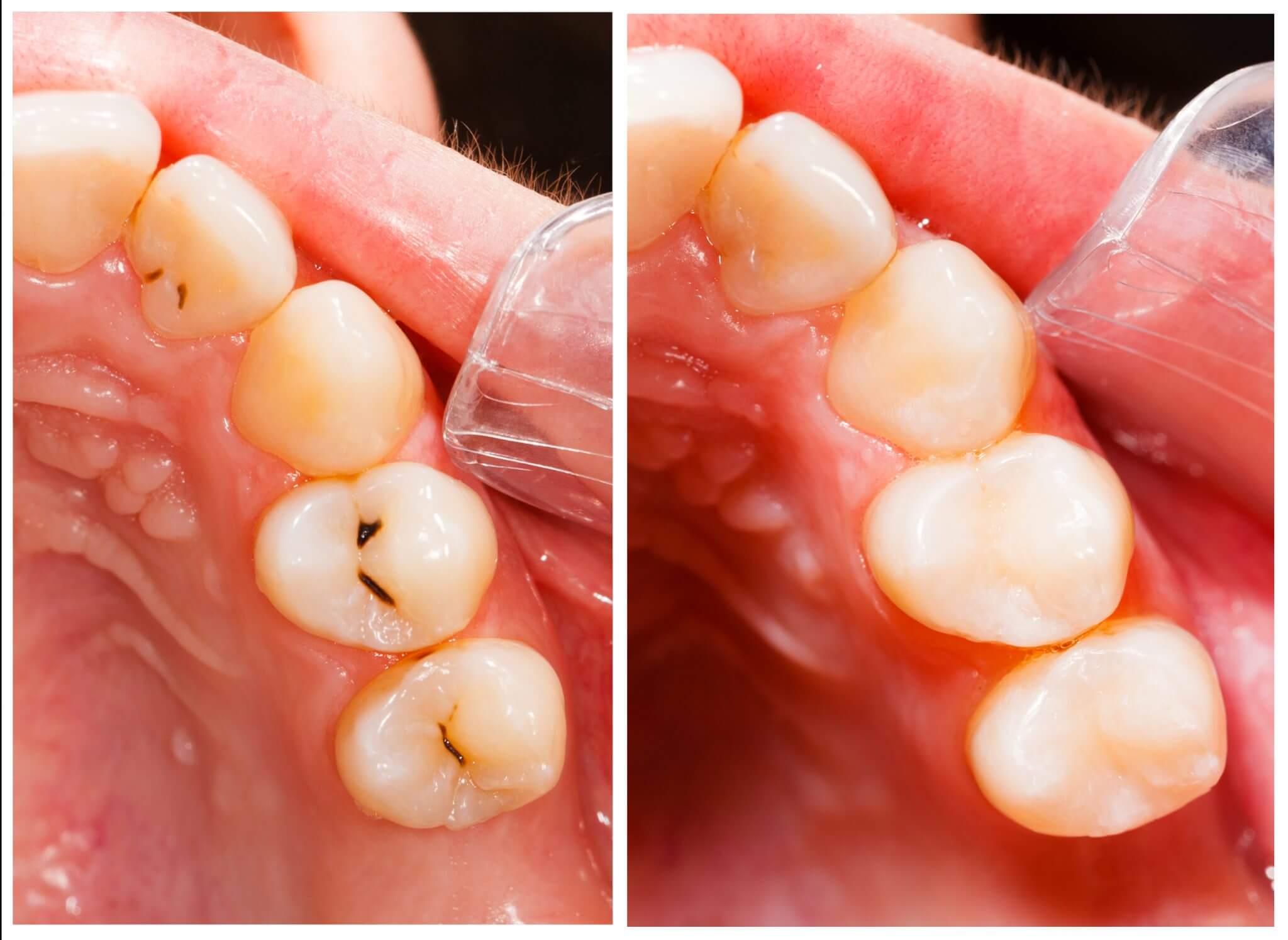
Fillings are developed using synthetic, composite resin material that is blended to match the color of the natural tooth. Dr. Hauser and Dr. Phillipe routinely use this mixture to help restore patients’ teeth. If you need a filling or have questions, Contact Lakefront Family Dentistry at (951) 244-9495 or Request an Appointment Online Today!
The Causes of Cavities
Cavities are common, but they can be prevented by taking a few precautions, including:
- Avoid specific drinks and foods: Foods that stick to the teeth promote tooth decay. Starches and sugary foods cause plaque to form. For example, honey, raisins and milk are all promoters of plaque.
- Stop snacking: When you snack frequently, the acid present in the food you are eating has more time to cause damage.
- Drink tap instead of bottled water: Public water sources contain fluoride, which helps to protect tooth enamel from plaque buildup.
The Tooth Filling Procedure
First, your Dr. Hauser or Dr. Phillipe will numb the area around the tooth that needs to be filled; this includes the teeth, gums, and the surrounding skin. They will then put a jelly-like substance on the affected area in order to begin the numbing process. An anesthetic will then be added to complete this process.
The decay in the tooth will then be removed using dental devices and replaced with a tooth filling.
There are Different Types of Fillings
Fillings are created from several different types of materials. It’s recommended to speak with Dr. Hauser or Dr. Phillipe about which material will be best for you.
Available tooth filling options include:
- Amalgam: A mixture of tin, silver, mercury and other metals. Dr. Phillipe and Dr. Hauser do not use amalgam on patients, but other dentists might use this material.
- Composite resins: Tooth-colored fillings. These may be used more so on the front teeth because this is where appearance counts. Composite resin is easy for dentists to apply, and it is less expensive than gold fillings.
- Lonomers: Tooth-colored bits used to fill cavities between the teeth or small cavities. Lonomers sometimes spout out small quantities of fluoride, which will help prevent you from getting cavities.
- Gold: Difficult material for your dentist to work with and expensive for the patient. Gold makes the procedure cost more and takes longer.
- Ceramics: Tooth-colored fillings that require specific equipment. Ceramics are a costly option and may take several appointments to complete the job.
Our top dentists use composite resin because it is easy to blend and sculpt, so it will match perfectly with your natural teeth. The blend is also metal free, which means an aesthetically pleasing finish every time.
Advantages of a Composite Tooth Filling
Composite white tooth fillings have plenty of advantages, such as:
- Composite resin fillings can last up to 10 years and help to restore tooth structure.
- The composite blend bonds directly onto the tooth, which reduces the need for drilling.
- The materials used do not contain metal, which is a healthier option.
- White composite can be blended to perfectly match the color of your surrounding natural teeth.
Lakefront Family Dentistry recommends composite restorations for most of their patients. Our dentists also patients the option to have their preexisting silver-amalgam fillings replaced with natural-looking, white tooth fillings.
Cavity Treatment is Necessary
When cavities are not treated, cracked teeth or teeth damaged by decay will get worse over time. At Lakefront Family Dentistry, Dr. Phillipe and Dr. Hauser make sure our patients understand that the mouth is the most important part of the body, and proper oral care should be a top priority.
If left untreated, tooth decay will require a more invasive procedure to improve tooth structure and health. White composites are a great option because they help restore strength to damaged teeth, and they prevent any further decay from forming.
When There is too Much Decay to Save a Tooth
Sometimes a tooth has too much decay to save with a simple filling. In these cases, CEREC porcelain crowns are an excellent solution to restore both strength and aesthetics in just one visit. At Lakefront Family Dentistry, Dr. Derek Hauser and Dr. Mark Phillipe use advanced CEREC technology to design and mill your custom crown on-site using one of our two state-of-the-art milling machines. With our in-house lab and decades of experience in cosmetic dentistry, patients receive durable, natural-looking porcelain restorations crafted and placed the same day—eliminating the need for temporary crowns or multiple appointments.

Frequently Asked Questions About White Tooth Fillings
What is a white tooth filling and how is it different from a silver filling?
A white tooth filling is a composite resin material that is bonded directly to your tooth and color matched to blend with your natural enamel. Silver fillings are made from metal amalgam, which is darker and more noticeable when you smile or laugh. At Lakefront Family Dentistry in Lake Elsinore, California, Dr. Derek Hauser and Dr. Mark Phillipe prefer white tooth fillings because they look natural, do not contain mercury, and allow them to preserve more healthy tooth structure.
How long do white tooth fillings last?
With good home care and regular professional cleanings, a composite tooth filling can often last 7 to 10 years or longer, depending on the size and location of the restoration. Fillings on back molars that take heavy biting forces may wear a bit faster than small fillings on front teeth. During your checkups at Lakefront Family Dentistry, Dr. Hauser or Dr. Phillipe will monitor your tooth fillings at every visit and let you know when it is time to repair or replace one.
Are white tooth fillings as strong as metal fillings?
Modern composite resins are very strong and bond directly to the tooth, which actually helps support remaining enamel. For small to medium sized cavities, white tooth fillings can perform just as well as metal. For very large cavities or teeth that are already cracked, Dr. Mark Phillipe or Dr. Derek Hauser may recommend a porcelain CEREC crown instead of a tooth filling so your tooth has full coverage and long-term protection.
Do white tooth fillings hurt during or after the procedure?
Most patients are pleasantly surprised by how comfortable a tooth filling visit can be. At Lakefront Family Dentistry, Dr. Hauser and Dr. Phillipe use very gentle numbing techniques and take their time to ensure you are fully comfortable before they begin removing decay. After a white tooth filling, you may notice mild temperature sensitivity for a few days, but this usually fades quickly. If anything feels off when you bite, our team can easily adjust the filling, so it feels completely natural.
How much do white tooth fillings cost and are they covered by insurance?
The cost of a tooth filling depends on the size of the cavity and which tooth is being restored. Many PPO dental insurance plans offer coverage for white tooth fillings on both front and back teeth, although coverage percentages can vary. At Lakefront Family Dentistry in Lake Elsinore, our Patient Coordinators review your benefits in advance, explain your estimated out of pocket cost, and go over payment options so there are no surprises.
Are white tooth fillings safe?
Yes. Composite white tooth fillings are made from a medical grade resin that has been used safely in dentistry for many years. They do not contain mercury and are a great choice for patients who prefer metal free restorations. Dr. Mark Phillipe and Dr. Derek Hauser only use materials that are backed by strong clinical research and long-term success, so you can feel confident about what is going into your mouth.
When should I choose a tooth filling versus a crown or veneer?
A tooth filling is best for smaller areas of decay where most of the natural tooth is still intact. If more than about half of the tooth is damaged or if there are large old fillings already in place, a porcelain CEREC crown is usually a better choice to prevent fractures. For front teeth that are discolored, chipped, or misshapen but not heavily decayed, veneers may be discussed as an option. During an exam at Lakefront Family Dentistry, Dr. Hauser or Dr. Phillipe will show you digital images of your teeth and help you decide which solution is best for appearance and longevity.
Can I replace my old silver fillings with white tooth fillings?
In many cases, yes. Patients often ask Dr. Hauser and Dr. Phillipe to replace older metal fillings because they do not like the dark color or are worried about cracks forming around them. At Lakefront Family Dentistry, we carefully evaluate each tooth to decide if a new white tooth filling is appropriate or if a porcelain crown would provide better long-term support. Replacing old metal restorations with natural looking white fillings can dramatically improve your smile.
What should I avoid eating or drinking after getting a white tooth filling?
After a tooth filling appointment, it is important to wait until the numbness fully wears off before chewing so you do not accidentally bite your cheek or tongue. Composite white tooth fillings are fully hardened before you leave, so there are no strict food restrictions, but it is smart to avoid very sticky candies, ice chewing, and extreme temperature swings. Dr. Mark Phillipe and Dr. Derek Hauser will give you specific instructions before you go home and the team at Lakefront Family Dentistry is always happy to answer questions if something does not feel right.
Why does my tooth still feel sensitive after a new white tooth filling?
It is common for a tooth to feel sensitive to cold or pressure for a short time after a tooth filling, especially if the cavity was deep. This happens because the nerve inside the tooth is adjusting to the new restoration. At Lakefront Family Dentistry, Dr. Hauser or Dr. Phillipe will check your bite carefully so the filling is not too high, which can also cause discomfort. If sensitivity lasts more than a couple of weeks or gets worse, you should call our Lake Elsinore office so we can recheck the tooth and make sure there is no deeper problem.
How do I take care of my white tooth fillings so they last as long as possible?
The best way to protect any tooth filling is to treat it like a natural tooth. Brush twice a day with a fluoride toothpaste, floss daily, and limit frequent snacking on sugary or acidic foods. At your regular cleanings and exams at Lakefront Family Dentistry, our hygienists will gently polish your white tooth fillings and Dr. Mark Phillipe or Dr. Derek Hauser will check for any early signs of wear so small issues can be corrected before they become big problems.
When should I schedule an appointment about a tooth filling with Lakefront Family Dentistry?
You should contact our Lake Elsinore office right away if you notice pain when biting, food catching in a tooth, a visible dark spot, or if an older tooth filling has chipped or fallen out. These are signs that decay may be forming or that a filling is failing. The sooner Dr. Hauser or Dr. Phillipe can evaluate the tooth, the more likely it is that a simple white tooth filling will solve the problem instead of a root canal or crown. Call Lakefront Family Dentistry at (951) 244-9495 during business hours or request an appointment through our website to reserve your visit.
Patient convenience and comfort using the latest dental technology is our top concern. Lakefront Family Dentistry purchased the latest A-dec premium dental chairs for your comfort. If you need a professional teeth cleaning, white tooth fillings, or you want the best family dentist, contact one of our patient coordinators today at (951) 244-9495 or Request an Appointment Online Today!